The Majestic Grey Crowned Cranes: Royalty of the African Savanna
The Grey Crowned Crane (scientific name Balearica regulorum) is a stunning bird known for its regal appearance and graceful demeanor.
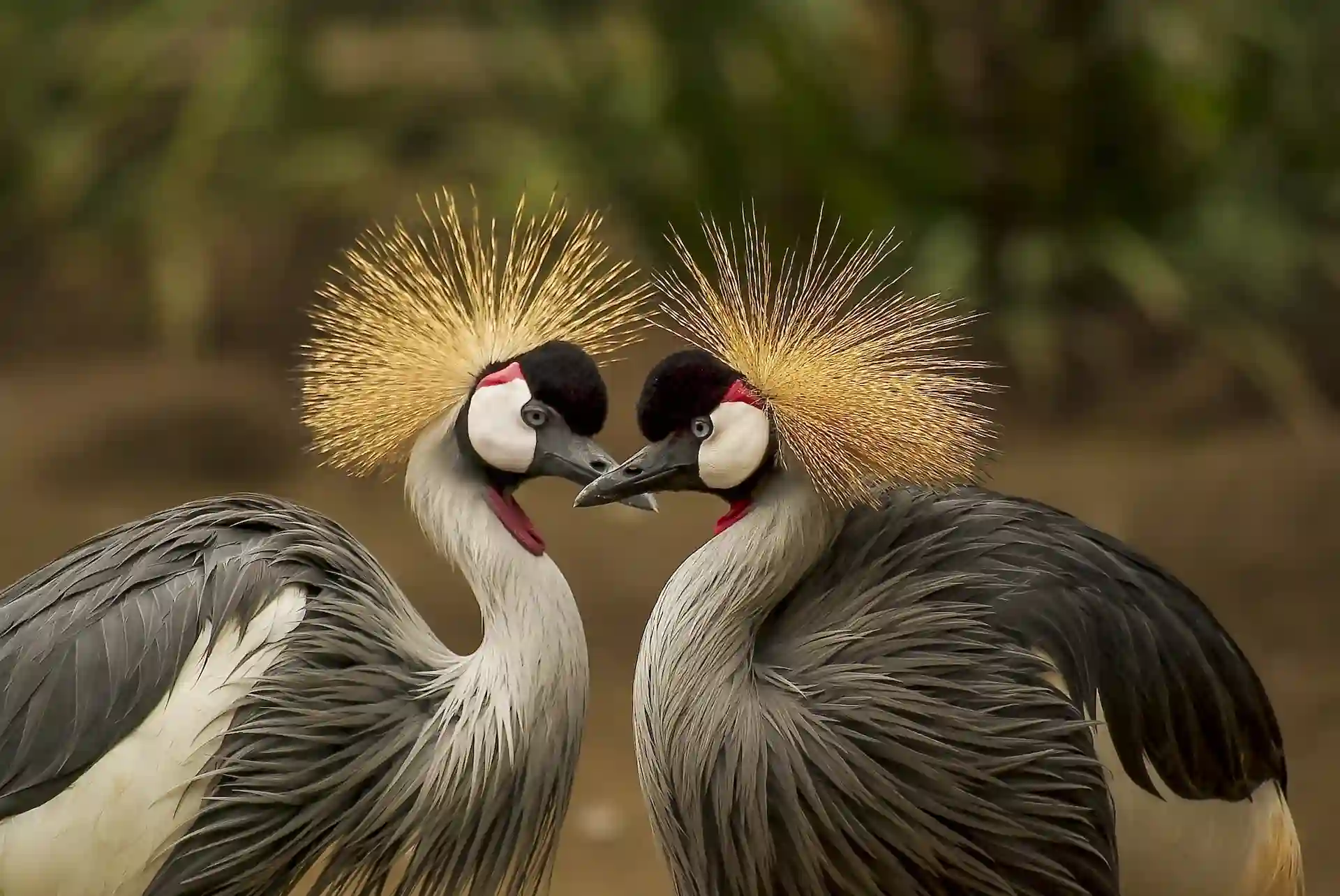
Adorned with a golden crown of feathers atop their graceful gray bodies, these captivating creatures hold profound cultural significance and ecological importance.
These magnificent creatures are native to the savannas, wetlands, and grasslands of eastern and southern Africa, where they captivate both locals and tourists alike with their vibrant plumage and intricate dance displays.
Grey Crowned Crane Biology and Taxonomy
The Grey Crowned Crane belongs to the Phylum Chordata, Class Aves, and the Family Gruidae, which includes other majestic cranes worldwide.
Standing at an impressive height of up to 1 meter (3.3 feet), these elegant birds boast a striking plumage of ash-gray feathers adorned with vibrant golden hues on their heads and necks.
Each individual’s crown pattern is unique, similar to human fingerprints, making them easily identifiable.
In the wild, Grey Crowned Cranes can live for up to 22 years!
Grey Crowned Crane Habitat
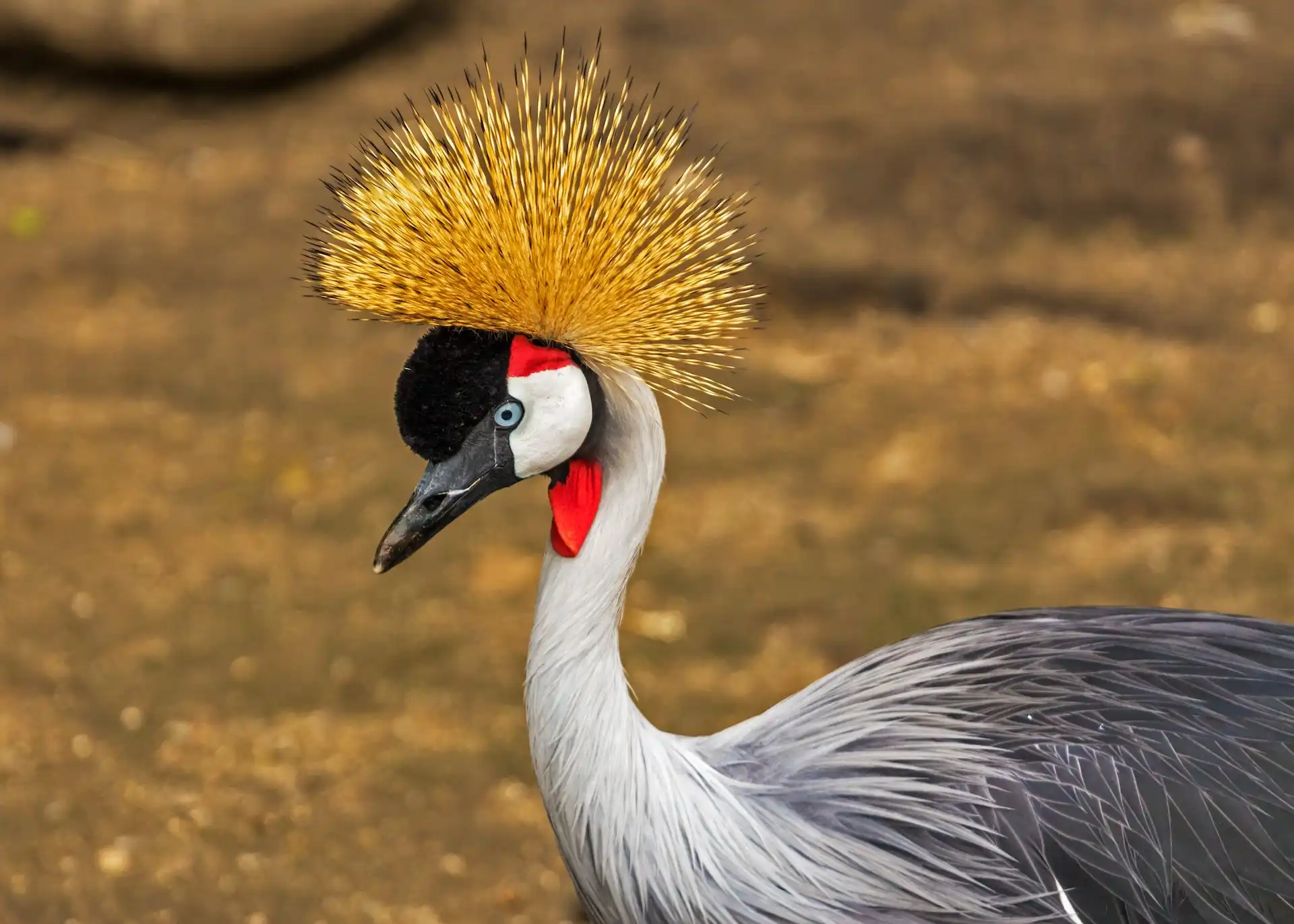 Image credits: Pexels
 The Grey Crowned Cranes prefer to inhabit open grasslands, marshes, and wetlands in close proximity to rivers, lakes, and swamps.
You can often spot them in Uganda, Kenya, Rwanda, Tanzania, Zambia, and South Africa, where they enjoy the diversity of these ecosystems and the abundance of food sources.
Grey Crowned Crane Ecosystem
These cranes play a vital role in their ecosystems. As omnivores, they maintain a balanced food chain by feeding on various organisms, including insects, small amphibians, reptiles, seeds, and aquatic plants.
Their foraging activities help control insect populations, ensuring a stable ecosystem.
Grey Crowned Crane Symbolism
In many African cultures, the Grey Crowned Crane holds significant symbolism. It is often associated with prosperity, longevity, and royalty.
It occupies a central place in various local myths, legends, and ceremonies.
In Uganda, for instance, it serves as the national bird and appears on the country’s flag, symbolizing pride and freedom.
Grey Crowned Crane Diet
The Grey Crowned Crane follows an omnivorous diet, primarily feeding on insects like grasshoppers, caterpillars, and locusts.
They also consume small vertebrates such as frogs, reptiles, and occasionally small mammals, complemented by various plant matter, including seeds, grains, and aquatic vegetation found in their habitat.
Their presence plays a crucial role in the balance of the ecosystem, contributing to insect population control and nurturing a healthy food chain.
Grey Crowned Crane Sounds
Grey Crowned Cranes are not only visually captivating but also produce unique and melodious calls.
Their vocalizations include trumpeting and honking sounds that can carry across long distances. They use these calls to communicate with their flock members, establish territory, and during courtship rituals.
Here’s an interesting short video that depicts their charming vocals:
Grey Crowned Crane Flying
Though Grey Crowned Cranes are not known for their long-distance flights, they are skilled flyers, especially during migration or when searching for suitable breeding sites.
Their wingspan can reach up to 2 meters (6.5 feet), which assists them in soaring and gliding effortlessly through the skies.
Grey Crowned Crane Facts
-
The Grey Crowned Cranes are among the most recognizable and celebrated bird species in Africa, thanks to their distinctive gray plumage, golden crown of feathers, and crimson chin pouch.
-
They are monogamous birds, forming strong and long-lasting pair bonds with their mates.
-
Standing at an impressive height of 1 meter (3.3 feet), Grey Crowned Cranes are considered one of the tallest crane species.
-
Their elaborate crown of feathers is a unique identifier, as each individual has a distinct pattern, similar to human fingerprints.
-
In the wild, Grey Crowned Cranes can live for up to 22 years, but they face threats that can significantly reduce their lifespan.
Grey Crowned Crane Predators
While the Grey Crowned Cranes are majestic and powerful birds, they still face natural predators in their habitats.
Some of their main predators include large raptors like eagles and owls, as well as large mammals like hyenas, jackals, and crocodiles.
Their nestlings and eggs are especially vulnerable to predators, and protecting the nest is a crucial aspect of their breeding behavior.
Grey Crowned Crane Reproduction
The Grey Crowned Cranes reproduce through an intricate courtship dance that helps form and strengthen bonds between mates.
The dance includes various displays of head-bobbing, bowing, and jumping, accompanied by vocalizations.
Once the pair bond is established, the female lays 2-3 eggs in a carefully constructed nest hidden in tall grasses or wetland vegetation.
The Dance of Love (Courtship Ritual)
The courtship dance of Grey Crowned Cranes is a remarkable sight to behold.
During mating rituals, they engage in an elaborate dance, showcasing their striking feathers and long, slender necks.
This dance is a symbol of love and unity, and it plays a vital role in bonding pairs and strengthening their relationship.
Grey Crowned Crane Population Status and Conservation
Despite their cultural significance and enchanting beauty, the Grey Crowned Cranes face several threats that have led to declining populations.
Habitat loss due to human development, pollution, and illegal capture for the pet trade are some of the primary reasons for their endangerment.
The Grey Crowned Crane is listed as endangered on the International Union for Conservation of Nature (IUCN) Red List.
Conservation efforts, including habitat protection and public awareness campaigns, are critical to preserving these iconic birds for future generations.
FAQs
How do Grey Crowned Cranes reproduce?
Grey Crowned Cranes engage in an intricate courtship dance to form and strengthen pair bonds. Once the bond is established, the female lays 2-3 eggs in a concealed nest, which both parents diligently protect and incubate until hatching.
How many Grey Crowned Cranes are there?
As of my last update in September 2021, it was estimated that there were around 50,000 to 100,000 Grey Crowned Cranes in the wild. However, due to the ongoing threats they face, population numbers might have fluctuated since then.
Are Grey Crowned Cranes an endangered species?
Yes, The Grey Crowned Crane is listed as endangered on the IUCN Red List. Their populations have been declining, primarily due to habitat destruction and illegal capture for the pet trade.
There are two types or subspecies of the Grey Crowned Cranes: the East African crowned crane and the South African crowned crane, the former being the more abundant than the latter.
Conclusion
In conclusion, the Grey Crowned Crane is an awe-inspiring bird that embodies the essence of Africa’s vast savannas.
Its graceful presence, enchanting courtship dance, and cultural significance make it a cherished species, but its status as endangered reminds us of the urgent need for conservation efforts.
By understanding and appreciating these magnificent birds, we can work together to ensure their survival and continue admiring the royalty of the African savanna for generations to come.

Author
Animal's Kingdom