Classification of Animals: A Beginner's Introduction
Hello there, fellow nature enthusiasts! Today, we embark on an exciting journey into the vast and diverse realm of animal classification.
As an avid enthusiast of nature and animals, it brings me immense pleasure to guide you through this fascinating topic.
So without further ado, let us dive into the wonder of how scientists organize and understand the astonishing variety of creatures that inhabit our planet.
The Need for Order: Why Classify Animals?
Picture this: you’re walking through a dense forest or swimming in a crystal-clear ocean, and suddenly, you encounter a creature you’ve never seen before.
It’s a puzzling and mesmerizing sight! But how do we make sense of this bewildering assortment of animals? How can we identify and understand their relationships with one another?
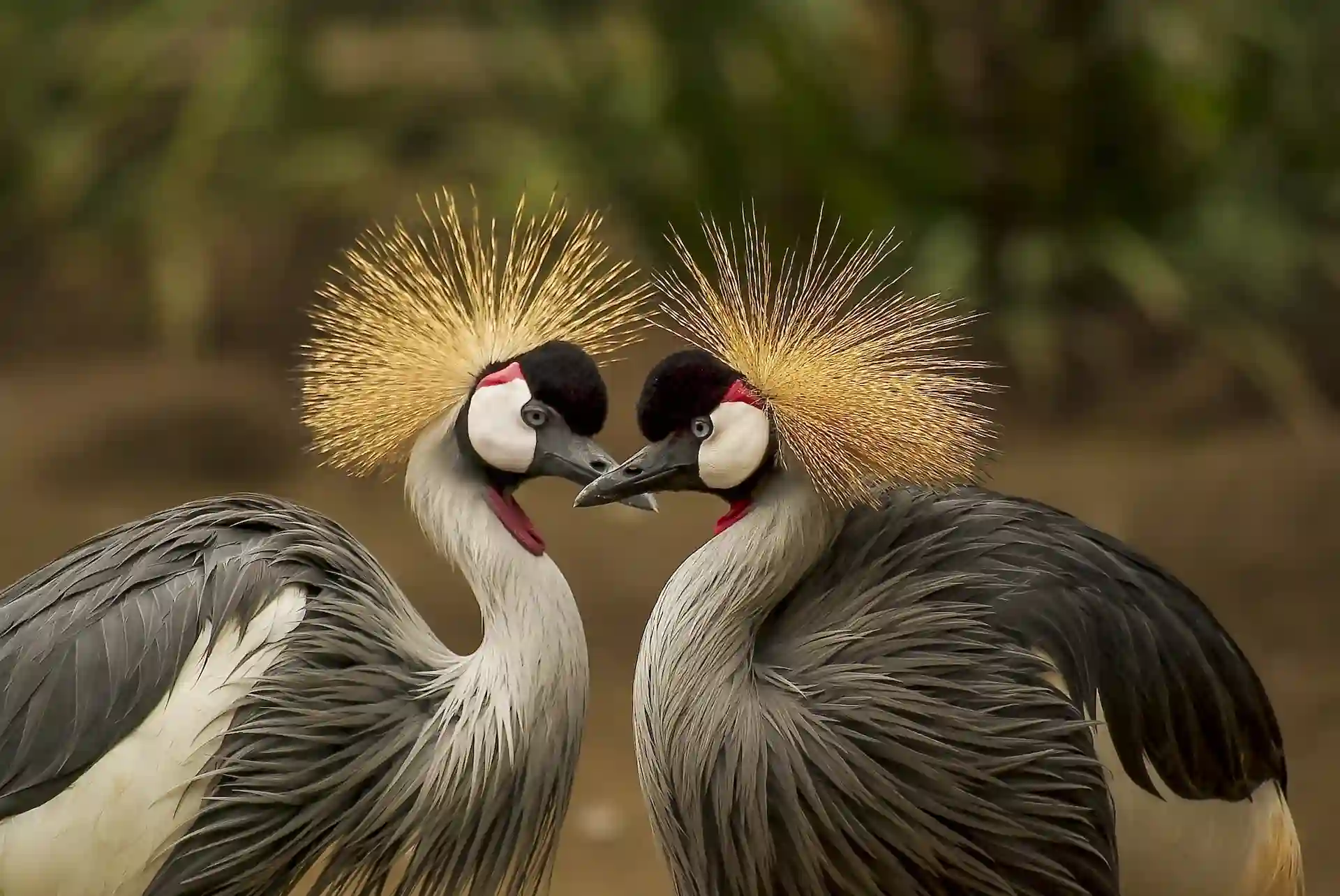 Image credits: Pexels
 Enter the world of taxonomy, the science of classification.
Just like organizing books in a library or arranging spices in your kitchen, classifying animals allows scientists to organize and categorize living beings based on their shared characteristics.
This orderly system helps us grasp the diversity of life, study evolutionary connections, and unlock the secrets of our natural world.
The Linnaean System: A Foundation of Classification
In the 18th century, a brilliant Swedish scientist named Carl Linnaeus laid the groundwork for modern animal classification. His system, known as the Linnaean system, forms the bedrock of our understanding of the natural world.
At its core, the Linnaean system organizes living organisms into a hierarchical structure.
It starts with the broadest categories and becomes more specific as we move down the hierarchy. Here’s a simplified version of the Linnaean classification:
-
Kingdom: The highest level of classification. It groups living beings into five kingdoms: Animalia (animals), Plantae (plants), Fungi (fungi), Protista (single-celled organisms), and Monera (bacteria).
-
Phylum: Within each kingdom, organisms are further divided into phyla based on certain fundamental traits.
For instance, in the animal kingdom, one prominent phylum is Chordata, which includes animals with a notochord, like vertebrates.
-
Class: The classification continues to narrow down, with organisms grouped into classes within each phylum. In the Chordata phylum, we find classes such as Mammalia (mammals), Aves (birds), and Reptilia (reptiles).
-
Order: Within each class, animals are sorted into orders based on distinctive features and characteristics.
For example, in the class Mammalia, you’ll find orders like Primates (monkeys and apes) and Carnivora (carnivorous mammals).
-
Family: The next level of classification, families, bring together organisms with even more closely related features.
In the order Carnivora, you’ll encounter families like Felidae (cats) and Canidae (dogs).
-
Genus: Moving closer to individual species, genera group together animals that share common characteristics.
For instance, the domestic cat’s scientific name is Felis catus, with Felis being the genus.
-
Species: The most specific level of classification, species identify individual groups of organisms that can interbreed and produce fertile offspring. Using our previous example, domestic cats belong to the species Felis catus.
The Power of Evolutionary Relationships: Phylogenetics
As awe-inspiring as the Linnaean system is, modern biology has advanced even further, thanks to the marvels of genetics and molecular biology.
Enter phylogenetics - a field that explores the evolutionary relationships between different species.
Imagine drawing a giant family tree, but instead of tracing back ancestors, you’re connecting species based on their genetic relatedness.
This approach helps scientists understand not only the history of life on Earth but also how various species are connected and evolved over time.
Domains: The Three Branches of Life
In recent years, our understanding of the diversity of life has expanded further with the introduction of a higher classification level called domains.
Domains are like big umbrella groups that encompass the three primary branches of life. Let’s take a closer look:
-
Bacteria: This domain houses single-celled prokaryotic organisms, most of which are familiar as various types of bacteria. They are incredibly diverse and can be found in nearly every habitat on Earth.
-
Archaea: Similar to bacteria, archaea are single-celled prokaryotes. They were once considered part of the same domain as bacteria, but their genetic and biochemical differences have earned them their own domain. Archaea can be found in extreme environments like hot springs and deep-sea vents.
-
Eukarya: Eukarya comprises all organisms whose cells have a true nucleus and other membrane-bound organelles. This vast domain includes not only animals but also plants, fungi, and protists.
Adapting and Evolving: Animal Classification in Flux
 Image credits: Pixabay
 As we delve deeper into the world of biology and genetics, our understanding of animal classification continues to evolve.
New discoveries and technologies constantly reshape the way we view the relationships between species. Sometimes, this leads to revisions and changes in the classification system.
For example, what was once considered a single species might be split into multiple species due to genetic differences, or two seemingly unrelated species might be grouped together because of surprising genetic similarities.
These changes are a testament to the dynamic nature of science and the relentless pursuit of knowledge.
Conclusion: The Tapestry of Life Unfolds
As we conclude our thrilling exploration of animal classification, we are left in awe of the intricate tapestry of life that surrounds us.
From the tiniest bacteria to the majestic whales of the ocean, every living being has a place in this grand scheme of things.
So, the next time you encounter an animal you’ve never seen before, remember that it’s just one piece of the extraordinary puzzle we call life.
Whether soaring through the skies, scurrying through the undergrowth, or swimming in the deepest oceans, each creature plays a unique role in the intricate web of life on Earth.
I hope this journey through the world of animal classification has ignited your curiosity and appreciation for the diverse wonders of nature.
The quest to understand the natural world is an ongoing adventure, and as we delve further into the mysteries of biology, we’ll undoubtedly uncover more breathtaking surprises.
Until then, keep exploring, keep learning, and keep marveling at the remarkable beauty of life all around us!

Author
Animal's Kingdom